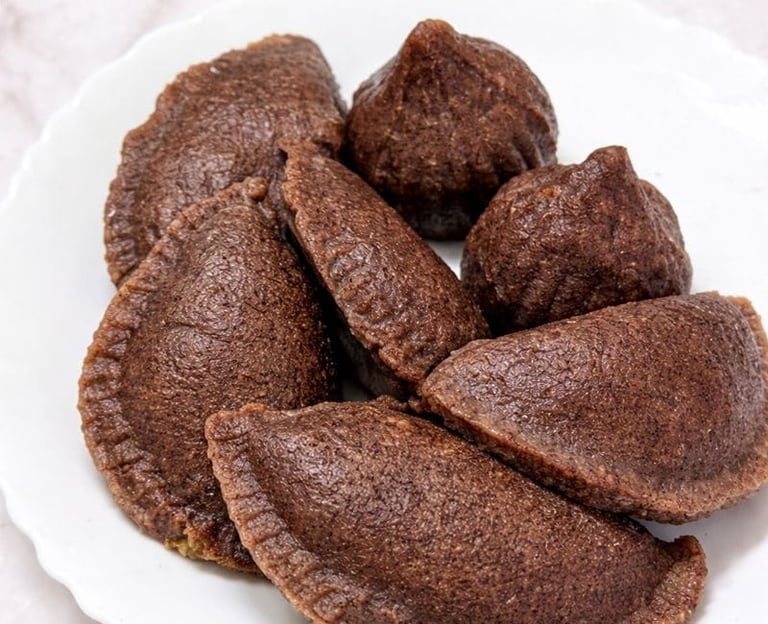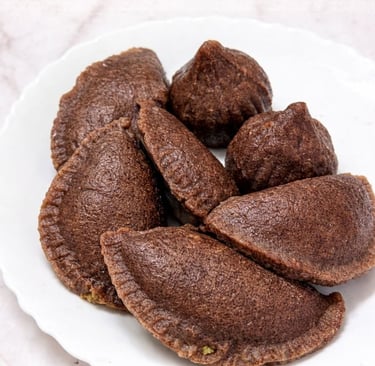
Savor the Tradition: Finger Millet (Ragi) poorana Kozhukattai
At wholesomebites, every dish tells a story of health and heritage, blending authentic Indian recipes with nourishing ingredients you can trust.
Kalpana Balaganesh
12/26/20254 min read
Health Benefits of Ragi (Finger Millet)
Ragi(Finger Millet) is often praised as the "Nutri-Cereal" for its concentration of key minerals and
beneficial compounds.
1. Bone Health Champion (Highest Calcium)
Ragi is one of the richest plant sources of calcium among all cereals, making it vital
for bone and teeth health.
Benefits : Its high calcium content helps in the development and strengthening
of bones in growing children and is critical for preventing osteoporosis and
fractures in older adults and post-menopausal women.
Bioavailability : Sprouting or fermenting ragi can further increase the body's ability to absorb this calcium.
2. Excellent for Diabetes Management
Ragi is a highly beneficial grain for regulating blood sugar levels.
Benefits : It has a relatively low Glycemic Index (GI) (ranging from 54-68), and its rich content of dietary fiber and polyphenols slows down the digestion and absorption of carbohydrates. This leads to a slower and more sustained release of glucose into the bloodstream, helping to prevent sharp blood sugar spikes.
3. Aids in Weight Management
The combination of high fiber and low-fat content makes Ragi an excellent choice for a weight-conscious diet.
Benefits : The high fiber promotes a feeling of satiety (fullness), which helps to curb unnecessary cravings and reduce overall calorie intake. It also contains the amino acid Tryptophan, which is known to help naturally suppress appetite.
4. Anemia Fighter (Rich in Iron)
Ragi is a valuable source of plant-based iron, essential for blood health.
Benefits : The iron content helps in the production of red blood cells and significantly boosts the hemoglobin level in the blood, effectively combating anemia, especially in pregnant women and growing children. Consuming it with a source of Vitamin C (like a squeeze of lemon) enhances iron absorption.
5. Digestive and Gut Health
The immense fiber content supports a healthy digestive system.
Benefits : It is rich in both soluble and insoluble fiber, which ensures smooth bowel movements, prevents constipation, and supports a healthy gut microbiome.
6. Gluten-Free Alternative
Benefits : Ragi is naturally gluten-free, making it a safe and nutritious grain for individuals with Celiac Disease or gluten sensitivity who need to avoid wheat, barley, and rye.
7. Antioxidant and Anti-Aging Properties
Benefits : It is packed with antioxidants like polyphenols that help neutralize free radicals, reduce oxidative stress, and may lower the risk of chronic diseases like heart disease and certain cancers.22 The amino acid Methionine is important for skin health and helps in the formation of new, healthy skin tissue
Recipe of Traditional Ragi Sweet Dumplings Infused with Healthy Sweet Made with Peanut | Millet Dessert Recipe
Ragi Sweet Kozhukkattai is a wholesome South Indian snack made with ragi flour, peanuts,coconut, and jaggery. It is rich in calcium, iron, and fibre, making it ideal for kids, elders, and anyone looking for a guilt-free sweet treat. In this blog, I’ll show you how to prepare this simple, nutritious recipe step by step.
🤩 Let's Make This Amazing Ragi Treat! (Sweet Ragi Kozhukattai with Peanut & Jaggery)
Step 1: Crafting the Wholesome Filling 🥜
This peanut-jaggery mixture (Puranam) is what gives our Kozhukattai its rich flavor and protein boost!
Ingredients Why We Use It
Peanuts – 250 gms Gives us crunch, flavor, and great protein!
Jaggery – ¾ cup The natural sweetener with iron—a much healthier choice than sugar!
Grated Coconut – ½ cup Adds that lovely traditional moistness.
Cardamom Powder – ¼ tsp Boosts flavour,Aids Digestion,Gives a traditional touch
The Step-by-Step Filling Fun:
Get the Peanuts Ready: Roast those peanuts dry until they're golden and smell wonderful. Once they cool down, rub off the skin and give them a coarse grind.
We want them crunchy, not a smooth paste!
Melt the Jaggery: Pop your jaggery into a small pan with a tiny bit of water. Just heat it until it completely dissolves. Quick Tip: Filter this liquid through a fine sieve to catch any little bits of impurity—it keeps our filling smooth!
Mix & Thicken: Pour the strained jaggery back into the pan. Stir in your peanut powder (and coconut/cardamom, if you're feeling fancy!). Cook it down gently until the whole mixture firms up and separates from the sides of the pan.
Cool Down: Transfer the mix and let it cool. Once cool, you should be able to roll it into small, tight balls—these are our ready-to-stuff centers!
Step 2: Preparation of the Outer Dough:
Ingredients Why We Use It
Ragi Flour – 1 cup Rich in calcium, iron, and fibre
Water – as required
Salt – a pinch Balances the sweetness
Preparing the Soft Ragi Shell 🥣
The secret to a perfect Kozhukattai is a soft, non-cracking Ragi shell. This dough is slightly different from the Mudde dough!
The Boiling Point: Get your water, a pinch of salt (yes, even in sweet things!), and a little ghee/oil to a rolling boil in a thick pan.
Flour Time! Turn the heat way down. Now, quickly dump in the Ragi flour all at once. Stir like mad! The water will get sucked up right away, forming a thick, sticky mass.
A Quick Cook: Keep stirring on low heat for just one minute. This step ensures the Ragi tastes beautifully cooked, not raw.
The Gentle Knead: Transfer the warm dough to a bowl. The dough is going to be hot, so once it's cool enough, grease your hands with some ghee and knead it beautifully. It needs to be super smooth and pliable—if it's crumbly, it will crack during stuffing. Keep it covered with a damp cloth!
Step 3: The Assembling & Steaming Magic! ✨
Now for the rewarding part—turning your dough and filling into delightful dumplings!
Palm it Out: Take a small piece of the Ragi dough. Press it between your palms, flattening it into a neat little cup shape. Think of it as making a small Ragi bowl.
The Stuffing: Place one of your peanut-jaggery balls right in the center of the Ragi cup.
The Seal: Gently bring the edges of the Ragi dough together and pinch to seal the filling completely. You can shape it into a smooth ball, a half-moon, or use a Modak mold for a classic look. The Key: Make sure the seam is perfectly closed—no cracks allowed!
Steamy Finish: Arrange your Kozhukattais on a greased steamer plate/Idli plate. Steam them vigorously for about 10 to 12 minutes. They are done when the Ragi looks nice and glossy.
Tips for Perfect Ragi Kozhukkattai
· Knead the dough while warm to keep it smooth.
· Wet your fingers lightly while shaping to avoid cracks.
· Don’t overfill; it may break while steaming.
· Add a little rice flour (1–2 tbsp) if you want firmer dumplings.
And there you have it! A perfectly healthy, protein-packed, and naturally sweetened snack ready to enjoy. Isn't it wonderful how traditional cooking can be so nourishing?